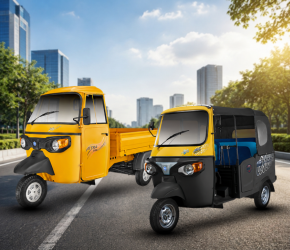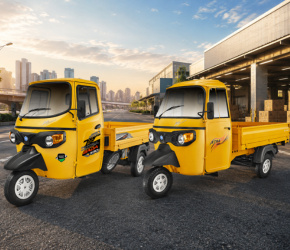
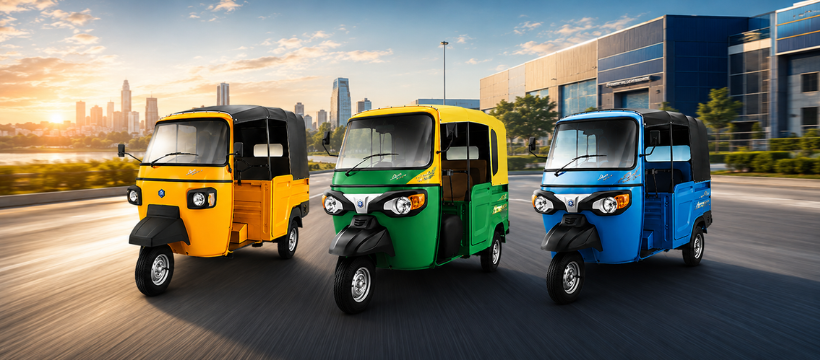
| Type | Running Cost | Maintenance | Best Use Case |
|---|---|---|---|
| Diesel | High | Medium | Rural cargo, heavy loads |
| CNG | Medium | Medium | City passenger transport |
| Electric | Low | Low | Urban mobility, delivery |
If you're in the business of moving goods or people across Indian cities and towns, the fuel type of your three-wheeler is not a small decision. It shapes your daily running cost, your maintenance headache, and your loan eligibility.
Whether you're running cargo routes, managing last-mile deliveries, or operating a passenger auto on busy city streets, the right choice directly impacts your earnings and efficiency, and we at Piaggio understand how critical that decision is.
The market right now has three real options: diesel, CNG, and electric. Each has a loyal following, and each has a very specific kind of operator who swears by it. We've seen diesel power heavy-duty cargo in tougher terrains, CNG dominate city passenger mobility, and electric three-wheeler solutions rapidly grow across both passenger transport and last-mile delivery.
That's why we design our three-wheelers to meet real-world needs, whether it's efficient cargo transport or comfortable, reliable rides for passengers. But the ground is shifting. Fuel prices are unpredictable, pollution norms are getting tighter, and the electric three-wheeler is no longer the thing you saw once at an expo and forgot about.
Today, it's a practical, on-road solution used for daily passenger commutes, shared mobility routes, and high-frequency delivery operations, helping you improve margins while reducing operational stress.
So let's go through all three honestly, without the sales pitch.
The Diesel Three-Wheeler: Benefits, Use Cases & Limitations
The diesel three-wheeler has long been a dependable workhorse, especially in rural and semi-urban areas. Known for its durability and strong load-carrying capability, it continues to serve as a reliable small transport vehicle where alternatives may not be as practical.
1. Where Diesel Three Wheelers Work Well
For remote routes and areas with limited charging or CNG infrastructure, a diesel loading three-wheeler or 3-wheeler cargo vehicle remains highly practical. Its ability to handle tough terrains and long operating hours makes it ideal for cargo auto rickshaw operations.
2. Advantages of Diesel Three Wheelers
Diesel three-wheelers offer strong torque, making them ideal for carrying heavy loads and operating on rough or rural terrains. Their engines are built for endurance, allowing long working hours without major performance drops. At Piaggio, this reliability is reflected in our diesel three-wheeler range designed for demanding cargo and rural use.
They are also highly durable, with rugged construction that can handle poor roads and frequent stop-and-go conditions, making them dependable for goods transport and even shared passenger routes in semi-urban areas.
Maintenance is relatively simple and cost-effective, thanks to easily available spare parts and widespread mechanical expertise.
Additionally, diesel vehicles perform consistently under heavy loads and can cover long distances without frequent refuelling, making them suitable for extended operations.
3. Limitations of Diesel Three Wheelers
At the same time, evolving emission norms and the push toward cleaner mobility are influencing buying decisions, particularly in urban areas. Operators are increasingly exploring alternatives like electric three-wheeler and CNG auto rickshaw options for compliance and operational ease.
4. The Reality Today
Diesel three-wheelers continue to hold relevance, particularly outside major cities. While newer technologies are gaining traction, diesel remains a practical and dependable option where performance, availability, and infrastructure are key factors.
CNG Auto Rickshaw: Pros, Cons & Best Use Cases
The CNG auto rickshaw is a reliable three-wheeler auto that has served Indian cities for years. It offers lower running costs than diesel and cleaner emissions, making it a practical small transport vehicle for daily use. At Piaggio, we have seen how CNG continues to support both passenger mobility and light cargo operations in urban markets with well-developed infrastructure.
1. Strong for City Use
In cities with good infrastructure, the CNG auto rickshaw works well for passengers and light cargo. It is widely used for daily commuting, shared rides, and last-mile connectivity. An auto rickshaw cargo model is suitable for short-distance deliveries using a 3-wheeler cargo setup, making it a versatile option for small businesses and individual operators.
2. Limitations of CNG Auto Rickshaws
Fuel price fluctuations and long queues at stations can affect earnings, especially for drivers dependent on frequent passenger trips. In smaller towns, limited availability makes it harder to run a three-wheeler on CNG, which can restrict operational flexibility.
3. A Balanced Option
The CNG auto rickshaw remains a dependable choice for city-based operations, particularly in the passenger segment. However, many operators today are gradually shifting towards the electric three-wheeler for better long-term savings, lower maintenance, and more consistent daily earnings, something we are actively supporting through our evolving range of solutions at Piaggio.
Electric Three Wheeler: Cost, Range & Key Advantages
The electric three-wheeler once had a reputation for limited range and battery issues, especially in early electric rickshaw models. But newer generations of the three-wheeler have solved most of these problems with better batteries and faster charging.
1. Lower Running Costs of Electric Three Wheeler
Electric three-wheelers have significantly lower running costs compared to diesel and CNG alternatives. For vehicles used in daily transport, especially loading three-wheelers or auto rickshaw cargo setups, this translates into substantial long-term savings, making them a cost-efficient choice for operators.
2. Perfect for Daily Passenger & Delivery Use
Electric autos are now widely used for:
- Last-mile passenger transport (railway stations, residential areas)
- Shared mobility routes
- E-commerce and logistics deliveries
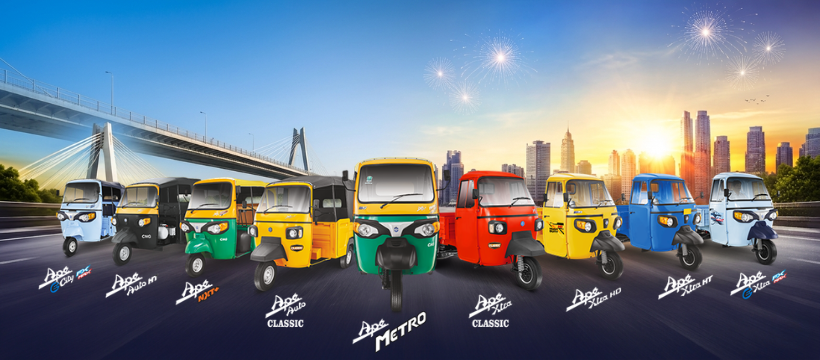
Piaggio's extensive range of Apé 3-wheelers is designed to support both cargo and passenger applications, making them versatile for operators.
3. Low Electric Three Wheeler Maintenance & Range
With fewer moving parts, an electric three-wheeler requires less maintenance than diesel or CNG auto rickshaw options. Most models offer a range of 100 to 150 km, which is enough for daily city operations using an auto rickshaw cargo.
Government Subsidies for Electric Three Wheelers in India
This is where the math really shifts. The Indian government, both centrally and through state schemes, has made it easier to own an electric three-wheeler than at any point in recent history.
Under the FAME II scheme (Faster Adoption and Manufacturing of Electric Vehicles), electric three-wheelers are eligible for direct purchase subsidies, reducing the upfront cost significantly.
Several states have gone further. Maharashtra, Gujarat, Delhi, Rajasthan, and Tamil Nadu have their own EV policies that layer additional incentives on top of central benefits. These include road tax exemptions, registration fee waivers, and, in some cases, interest subvention on loans for small transport vehicle buyers switching to electric.
Owning a Piaggio electric rickshaw is more accessible than most first-time buyers expect. Financing is available through several leading Indian banking institutions, which means the purchase doesn't have to come out of pocket all at once. For operators who have been putting off the switch to electric because of upfront cost concerns, this changes the calculation considerably.
A well-built, brand-backed small transport vehicle with a nationwide service network behind it is well within reach for most commercial buyers, whether you're an individual operator or building a small fleet.
"If you've been waiting for the economics to make sense before switching to electric, this is the window."
Which Three Wheeler Auto Should You Choose?
Your choice depends on your use case, operating environment, and long-term business goals:
1. Diesel: Best for Heavy-Duty Rural Cargo
If your operations involve transporting heavy goods across rough terrains, long distances, or areas with limited fuel alternatives, diesel remains a practical choice. It is well-suited for operators who prioritize load capacity, durability, and the ability to run continuously without depending on specific infrastructure. However, its relevance is gradually reducing in urban areas due to rising costs and regulatory pressures.
2. CNG: Suitable for City Passenger Transport Where Fuel Is Accessible
CNG works best in cities with well-developed fueling infrastructure. It is a dependable option for drivers focused on daily passenger rides, offering relatively lower running costs than diesel and better compliance with emission norms. However, factors like waiting time at stations and limited availability outside major cities can impact daily productivity and earnings.
3. Electric: Best for Urban Passenger Mobility, Last-Mile Connectivity & Cargo Delivery
Electric three-wheelers are increasingly becoming the go-to choice for modern mobility needs. They are ideal for passenger services such as shared rides, last-mile connectivity, and feeder routes, as well as for cargo applications like e-commerce and local deliveries. With significantly lower running costs, minimal maintenance, and a smooth driving experience, they enable operators to maximize daily earnings while offering a more comfortable ride for passengers.
For long-term profitability, electric clearly stands out, especially with reliable offerings from Piaggio that are designed to support both driver income and passenger comfort, while also aligning with the future of clean and sustainable mobility.
Conclusion
The future of the three-wheeler auto market is clearly electric. While diesel and CNG still have their place, the shift towards an electric three-wheeler is happening fast.
With rising fuel costs, government subsidies, and better technology, electric vehicles are becoming the smartest choice for every small transport vehicle owner.
At Piaggio, we understand what today's drivers and businesses truly need: reliability, performance, and long-term savings. That's why we are continuously innovating across our three-wheeler range, including advanced electric three-wheeler solutions designed for modern mobility and efficient auto rickshaw cargo operations.
Choosing the right three-wheeler today is not just about cost; it's about building a future-ready, profitable business, and we're here to support you at every step.
FAQs on Three Wheeler Fuel Types
1. Which is better: petrol, diesel, CNG, or electric vehicle?
It depends on usage. Petrol suits low usage, diesel is better for long distances, CNG is cost-effective in cities, and electric vehicles offer the lowest running cost and zero emissions, making them ideal for daily urban driving.
2. Which auto rickshaw is better: CNG or electric?
Electric three wheelers offer lower running costs and maintenance, while CNG auto rickshaws are useful where charging infrastructure is limited. Electric is increasingly preferred for city use.
3. What is the biggest disadvantage of electric vehicles?
The biggest drawback is charging time and infrastructure availability. EVs take longer to recharge compared to fuel vehicles, and charging stations may not be widely available in smaller towns.
4. Which EV three wheeler is best in India?
The best electric three wheeler depends on range, payload, and reliability. Leading brands like Piaggio offer strong options suitable for both passenger and cargo applications.